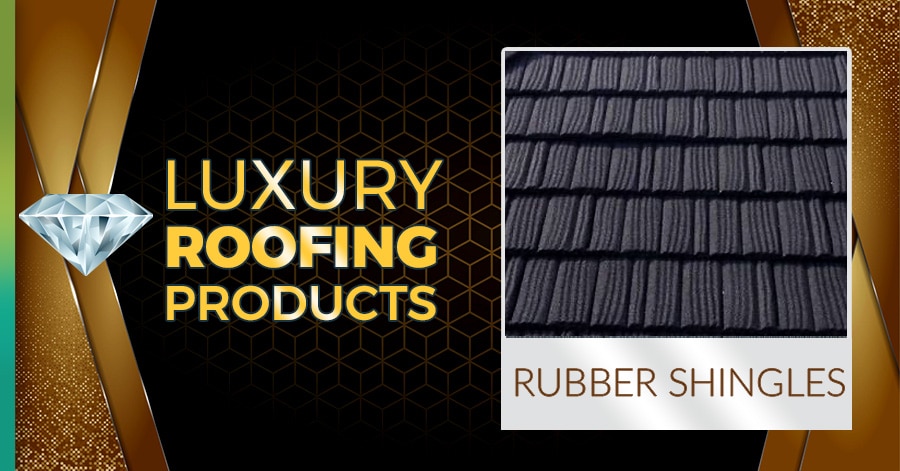
Rubber Shingles Roofing - Rich Textures, Natural Appeal
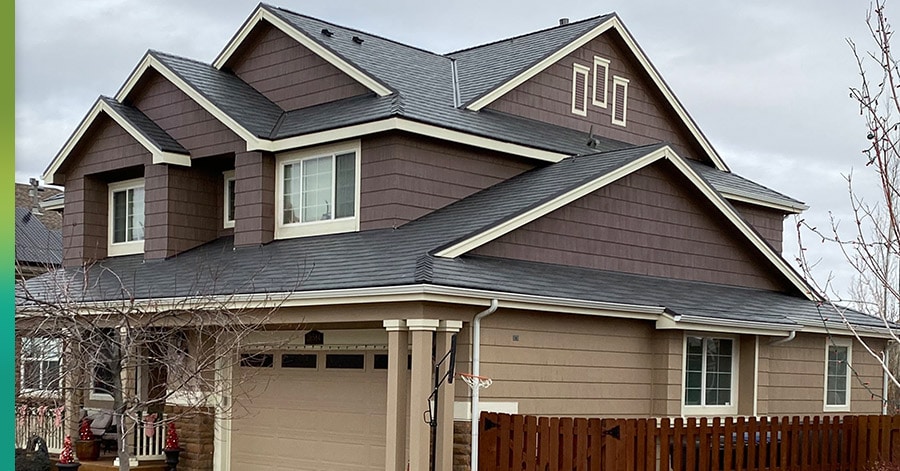
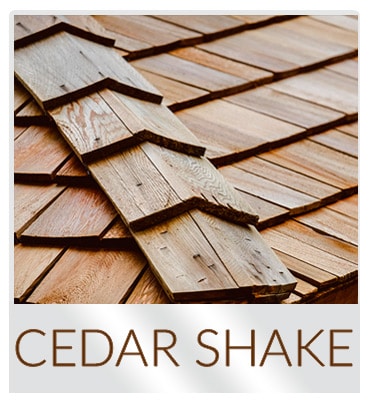
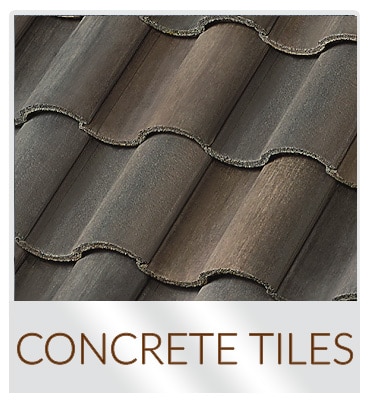
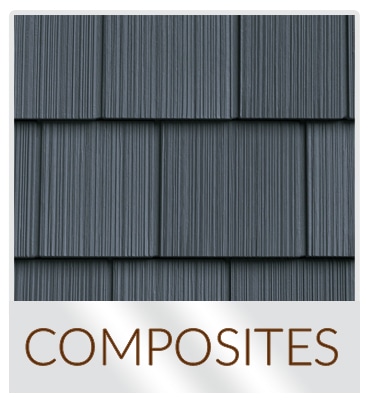
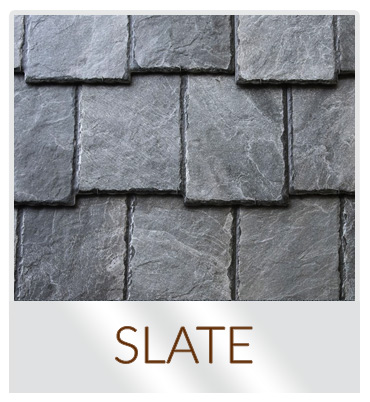
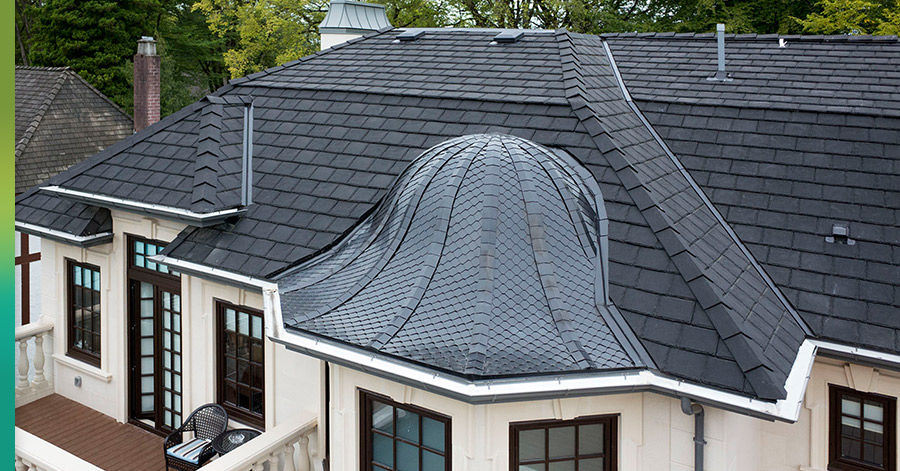
Rubber shingles represent another great innovation that can serve as a nice upgrade from asphalt shingles. Like composite, concrete, and metal shingle roofing, rubber can be fashioned into materials that look just like slate or cedar shake. Euroshield of Canada is a leader in rubber roofing, and producing elite rubber shingles. In addition to the material’s durability and resistance to common weather and the climate headaches that plague metal roofing, cedar shake, and asphalt shingles, rubber can be very eco-friendly. Rubber roofing can be made from old tires and other recycled materials. The thick grade of some rubber roofing products provides a rich texturing to a shingled roof, just like slate and cedar shake.
Rubber is a good insulator, as well, and manufacturers like Euroshield go a step further by designing air pockets or cubicles into the underside of the shingle. These trap air and advance the insulating properties of the material. Pricing on rubber tile roofing is largely dependent on the contractor’s cost from their local distributor and labor costs which vary by the size of the job, roof complexity, tear-off, etc.
iRoof Reports
Accurate Roof Measurements Reports
Delivered Fast. Priced Right.
Roof Measurement Reports
Delivered Fast. Priced Right.
Rubber Roofing - Pros and Cons
Rubber Shingles Roofing Pros (Updated 2026)
- Extreme Durability & Weather Resistance: Rubber shingles are built for resilience, withstanding winds up to ~110 mph (some products rated even higher), and hail impact without cracking or damage
- Long Service Life: Engineered to last 40–50 years or more, they significantly outperform standard asphalt shingles, delivering longevity that justifies the initial investment.
- Outstanding Insulation & Energy Savings: Smart insulation properties help stabilize interior temperatures, reducing HVAC use by ~10–20%. Many products also reflect solar heat, lowering energy costs.
- Superior Sound Dampening: Due to rubber’s natural density and flexibility, rainfall, hail, and external noise are absorbed, creating a home environment that’s often 30–50% quieter
- Eco-friendly Construction & Recycling: Many shingles are made from up to 95% recycled materials, including rubber (typically from tires), plants, and slate dust, which helps reduce landfill waste. They’re also recyclable at the end of life.
- Fade-, Crack- & Curl-Resistant: Rubber maintains its shape, color, and integrity over time, resisting cracking, warping, or granule loss, even under UV exposure.
- Fire & Pest Resistance: Naturally resistant to fire, rot, and insect damage—ideal for wildfire-prone or humid areas
- Lightweight and Cost-effective Installation: Typically easier and less expensive to install than heavy slate or tile. Efficient install times (up to two roofs/day for crews) reduce labor costs
- Quick, Low-cost Repairs: Damage is often repairable with simple patches or sealants, meaning minimal downtime and labor
- Designer Aesthetic Options: Available in many styles mimicking slate, cedar shake, or tile, offering upscale curb appeal without the associated weight or cost
Rubber Roofing Cons (Updated 2026)
- Higher Upfront Cost: At $4–15 per square foot installed, rubber shingles cost significantly more than standard asphalt roofing. or a standard 3,000-square-foot home, homeowners can expect to pay roughly $12,000 to $27,000 depending on the roof’s complexity and region.While long-term savings may offset this, the initial investment is steep for budget-conscious homeowners.
- Limited Installer Availability: It’s essential to find a certified installer to ensure proper installation and warranty coverage.
- Potential for Scuffing or Surface Marks: Rubber surfaces can be prone to scuff marks or dents when walked on, especially in hot weather. While these typically don’t impact performance, they can affect aesthetics.
- May Require Additional Ventilation Considerations: Due to the rubber’s insulating properties, attics may need proper ventilation upgrades to avoid excess heat retention in warmer climates.
- Availability: Certain styles, colors, or premium brands may be available only by special order, especially in remote regions.
- Less Fire Resistant Than Some Alternatives: While rubber offers decent fire resistance, it typically doesn’t match the Class A rating of metal or tile without added fire-retardant backing.
- Warranty Terms Can Be Conditional: Some rubber roofing warranties require registration, certified installation, and regular inspections. Failure to meet these conditions can void the warranty.
Top 5 rubber roofing shingle manufacturers in 2026
Driven by a rising demand for sustainable construction, the global recycled rubber roofing market is expected to surge past $233 million in 2026.
If you’re a homeowner considering installing an eco-friendly rubber roof this season, here are the top 5 companies that manufacture rubber shingles.
- Euroshield
Euroshield, sometimes referred to as G.E.M. Inc. from Calgary, Alberta, is a leader in premium rubber roofing. They produce Class 4 hail-resistant shingles in slate and shake styles, made from 95% recycled tires. These products are known for their strong impact resistance and are backed by long warranties.
- Enviroshake (by Malarkey)
Enviroshake provides rubber shingles, crafted from 95% recycled content. These shingles have successfully met UL 2218 Class 4 hail test standards and hold FM 4473 certification. They are distinguished by their deep textures and are backed by a 50-year warranty.
- Atlas Roofing Corporation
Atlas, a manufacturer recognized for its premium asphalt products, also produces Class 4-rated rubber shingles. These shingles have received market approval for their performance against hail and wind and are widely endorsed by insurance providers.
- Malarkey Roofing Products
Contractors favor Malarkey’s rubber shingles, especially the Enviroshake line, due to their robust warranty and combination of SBS-modified asphalt for weather resistance and flexibility.
- CertainTeed
A leading force in sustainable building, this company provides Class 4-rated rubber shingles. Their products come in various styles, are backed by robust warranties, and meet UL 2218/FM approvals.
Present rubber roofing products to your clients virtually with iRoofing!
Discerning property owners who favor finer roofing materials expect a first-rate presentation and a bit of an education about product choices. Traditional sample boards, dog-eared manufacturers’ brochures, or loose samples retrieved from the back of your roofing truck won’t cut it with customers who are prepared to pay top-dollar for a new roof.
Imagine having the ability to instantly grab digital images of rubber roofing material stored in the digital manufacturers’ catalogs of the iRoofing portable app for iPhones, iPads, Android phones and tablets, then produce an accurate, line-item estimate for the materials, installation, accessories and ancillary services. It’s all easily achieved with the iRoofing mobile app.
- Present rubber roofing choices digitally with iRoofing’s in-app catalogs
- Simulate exactly how rubber products will look on your client’s roof
- Compare products side-by-side to upsell and close sales faster
- Present detailed measurements and estimates, all with iRoofing
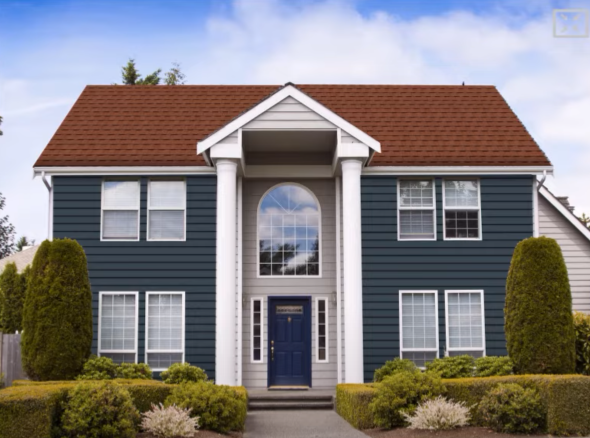
To help you close the sale, you can use iRoofing’s Roof Visualizer to perfectly simulate how a rubber roofing tile product will look on their specific property. Even compare products or colors side-by-side with the Visualizer. Your entire sales presentation, including your company merits, team photos, process explanation, roof sketches, estimate and closing documents can all be shared in your own highly professional, custom-branded, digital pitch book!
Make no mistake, this is the way to sell luxury roofing! 21st Century homeowners expect thorough, immediate, and digital presentations like that which iRoofing delivers.

Win More Jobs With
The Best Roofing Software.
Luxury Roofing in 2025: Are Rubber Shingles Worth It?
When it comes to roofing materials that blend durability, sustainability, and upscale curb appeal, rubber shingles are gaining serious ground. Originally known as a niche product, today’s rubber roofing options are engineered to mimic the look of slate, shake, or tile, without the weight or high maintenance. Whether you’re a homeowner exploring modern alternatives or a roofing contractor seeking resilient solutions for your clients, rubber shingles offer a compelling mix of performance and style.
In this updated guide, we covered the latest pros and cons of rubber roofing, how pricing has evolved, which brands are leading the pack, and why this material is becoming a favorite in storm-prone and eco-conscious regions. Now you can decide if rubber shingles are the right fit for your next roofing project in 2025.
Key Takeaways for Contractors
A Growing Premium Market: Driven by eco-conscious homeowners, the recycled rubber roofing market is projected to surpass $233 million in 2026. Products made from 95% recycled materials offer a powerful upselling opportunity.
Top-Tier Durability: Rubber shingles provide extreme weather protection, boasting a 40-to-50-year lifespan, Class 4 hail impact resistance, and the ability to withstand winds up to 110 mph.
Luxury Pricing & Profitability: At $8 to $16 per square foot installed, rubber roofing is a premium investment. Contractors must be prepared to confidently justify the higher upfront cost by highlighting the lifetime value and energy savings.
Closing the Sale with Tech: Because rubber shingles mimic high-end slate or cedar shake, contractors can overcome sticker shock by using the iRoofing AI Visualizer. Showing the homeowner exactly how the premium materials will look on their actual property builds instant trust and accelerates the close.
FAQ
How much do rubber shingles cost to install?
In 2026, rubber shingles typically cost between $8 and $16 per square foot installed. For a standard 3,000-square-foot home, homeowners can expect the total project cost to range from $12,000 to $27,000. Exact pricing will vary depending on the roof’s complexity, tear-off requirements, and regional labor rates.
How long does a rubber shingles roof last?
Rubber roofs are engineered for extreme durability and typically last 40 to 50 years or more. They significantly outperform standard asphalt shingles by resisting cracking, curling, and fading. Most premium rubber shingles can withstand winds up to 110 mph and carry Class 4 impact resistance ratings to protect against severe hail.
Are rubber shingle roofs actually eco-friendly?
Yes. Leading brands like Euroshield and Enviroshake manufacture their rubber shingles using up to 95% recycled materials, including old tires, plant fibers, and slate dust. This diverts massive amounts of waste from landfills. Additionally, rubber roofs help stabilize interior temperatures to reduce HVAC energy usage, and they are fully recyclable at the end of their service life.
Do rubber shingles look like real slate or wood?
Modern rubber roofing is designed with rich, deep textures to closely mimic the high-end appearance of natural slate, cedar shake, or traditional clay tile. This provides property owners with upscale, luxury curb appeal without the extreme weight, structural reinforcements, or maintenance headaches associated with natural stone or wood.
How can contractors quickly estimate and present rubber shingles roofing?
Contractors can use the iRoofing app to instantly access digital manufacturer catalogs for top rubber roofing brands. Using remote measurement tools, contractors can generate accurate line-item estimates in minutes. Furthermore, iRoofing’s AI Roof Visualizer allows contractors to perfectly simulate how different rubber shingle styles and colors will look on the client’s actual property, making it easier to upsell luxury materials.