Table of Contents
Every roofing job starts by measuring the roof. Roof measurements influence material quantities, labor planning, pricing, proposals, and the profitability of a roofing job. Today, contractors can measure properties remotely using satellite imagery, aerial imagery, roof measurement software, and, the latest addition to the list, artificial intelligence.
That speed is valuable, but every contractor should ask themselves an important question: when does convenience become a risk?
AI roof measurements can accelerate the process, but not every property offers the same conditions. Knowing when automation is enough, and when experienced human review adds confidence, can help contractors choose the right approach.
Why Accurate Roof Measurements Matter
A roof measurement is more than a square-foot calculation. Contractors rely on dimensions for ridges, hips, valleys, eaves, rakes, pitch, facets, and total roof area when planning a job.
Those measurements can directly affect material quantities, waste calculations, labor planning, pricing, and the final proposal presented to the customer.
For an early project evaluation, a small discrepancy may not create a major issue. During material ordering or when preparing a final roofing estimate, however, an incorrect measurement can lead to material shortages, overordering, additional deliveries, delays, or reduced profit margins.
Accuracy therefore has to be considered alongside the purpose of the measurement.
From Manual Measurements to Digital Roof Measurement Software
Traditional roof measurement required contractors to visit the property, climb the roof, measure each section, determine pitch, and transfer those dimensions into their calculations.
Digital roof measurement software changed that workflow by allowing contractors to analyze a roof remotely using images or plans of the property.
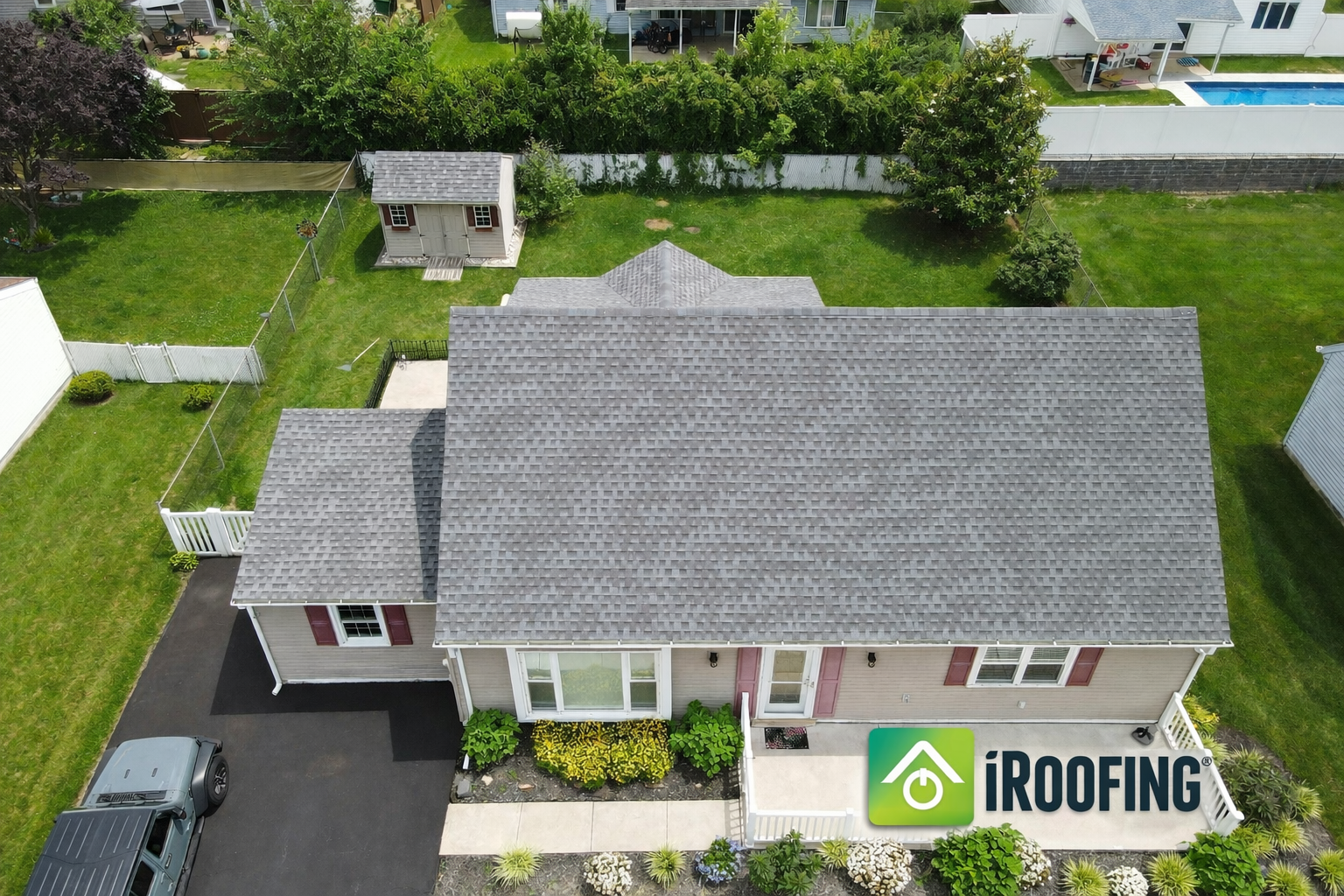
Depending on the platform and the available data, contractors may work with satellite imagery, aerial photography, drone imagery, HD images, or blueprints. These sources provide the visual information needed to identify roof planes, edges, dimensions, and other important features.
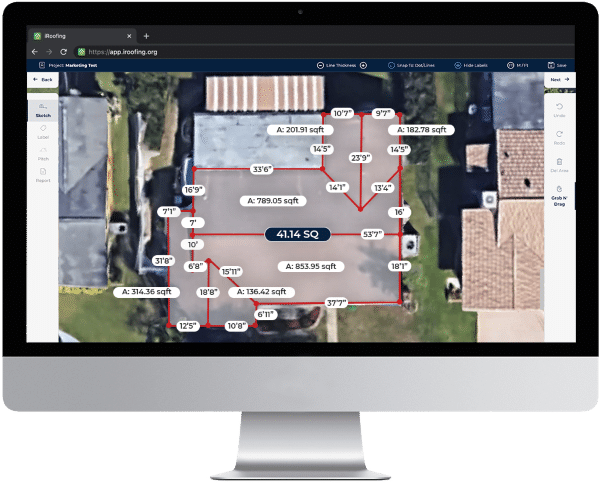
Modern software can then turn that information into measurements that contractors can use when preparing proposals, estimating materials, or planning a project.
The Rise of AI Roof Measurements
AI roof measurements introduce more automation into this process.
Instead of requiring a person to manually trace every roof edge and calculate every dimension, AI can analyze the supplied imagery or blueprint and identify elements of the roof automatically.
The system may recognize roof planes, outlines, ridges, valleys, hips, eaves, and other features before calculating the dimensions needed to create the final roof measurement report.
The quality of the resulting measurement still depends heavily on the information available in the original image or blueprint. Clear, detailed input gives an AI system more reliable information to interpret.
How Accurate Are AI Roof Measurements?

There is no single accuracy level that applies to every AI roof measurement system or every property.
AI analyzes the visual data it receives. That means the accuracy of the final measurement can depend on several factors, including the quality and resolution of the image, roof visibility, roof geometry, pitch information, and how well the AI interprets the different roof features.
When the source material is clear, AI can identify roof structures and calculate measurements quickly. If important roof sections are difficult to see or interpret, there is a greater possibility that a feature may require additional verification.
For contractors, the most useful question is not simply whether AI measurements are accurate.
The better question is: Are these measurements accurate enough for the decision I am about to make?
Where AI Roof Measurements Perform Well and Where They Can Go Wrong
AI roof measurements can perform particularly well when the source material provides a clear representation of the entire roof.
A high-resolution aerial image with visible roof edges, for example, gives the system strong visual information to analyze. A clean digital blueprint can also provide clearly defined roof geometry without many of the visual obstacles that can appear in photography.
Problems become more likely when the source material is incomplete or difficult to interpret.
Tree coverage can obscure roof sections. Shadows can make certain roof lines harder to distinguish. Older satellite imagery may not show recent additions or modifications. Complex designs can create overlapping roof planes that require additional judgment.
AI can automate the measurement process, but the quality and relevance of the underlying data still matter.

Win More Jobs With
The Best Roofing Software.
Aerial Roof Measurements vs. Satellite Roof Measurements
Both aerial roof measurements and satellite roof measurements allow contractors to evaluate properties without physically climbing the roof, but they use different imagery sources.
Aerial imagery is typically captured from aircraft and can provide detailed views that help identify roof edges, facets, and other structural elements.
Satellite roof measurements rely on imagery collected from satellites. Satellite coverage can make remote measurements available across a broad geographic area, although image resolution and recency can vary depending on the location and imagery provider.
HD aerial images can sometimes make complex roof details easier to distinguish, while satellite imagery may provide a practical option when high-resolution aerial coverage is unavailable.
Neither method automatically guarantees better measurements.
AI ultimately analyzes the information visible in the selected source. The clearer and more complete that information is, the better the system can interpret the roof.
When Human Review Still Matters
AI can dramatically reduce the manual work involved in creating roof measurements, but some projects still benefit from experienced human review.
The purpose of human verification is not necessarily to replace AI. It is to identify situations where the available data or the roof itself requires additional interpretation.
These are some of the examples of cases where human reviews can make a difference.
Complex Roof Designs
Roofs with many facets, intersecting sections, dormers, additions, unusual shapes, or multiple elevations can be more difficult to interpret automatically.
An experienced reviewer can examine the roof layout and confirm that each relevant feature has been correctly identified before the final measurement report is used.
Low-Quality or Obstructed Imagery
The AI can only analyze the information available in the source.
Trees, shadows, nearby structures, poor resolution, or incomplete imagery can hide roof edges or important architectural features.
In these situations, a reviewer may identify questionable areas, compare another imagery source, work from blueprints, or determine whether additional information is needed.
Measurements Used for Material Orders
The consequences of measurement errors become more important when contractors move from preliminary planning to purchasing materials.
Roof measurements influence quantities, but contractors also need to consider pitch, waste, product dimensions, installation requirements, and the specific roof layout.
Human review can provide another level of confidence before measurements are used to make purchasing decisions.
When the Cost of an Error Is High
Not every measurement requires the same level of verification.
For a simple early-stage project evaluation, automated measurements may provide all the information a contractor needs.
For a large, complex, or high-value project, the cost of an incorrect measurement can be much greater. When the financial consequences increase, additional verification becomes more valuable.
Contractors who prefer to have the measurement process handled for them can also order a roof measurement report for residential, commercial, or multifamily properties.
Choosing the Right Roof Measurement Method for the Job

Accurate Roof Measurements Reports
Delivered Fast. Priced Right.
The best roof measurement method depends on the property, the available source material, and how the measurements will be used.
Satellite imagery may be sufficient for one property. Another roof may require detailed aerial imagery. Drone imagery can provide another perspective when available, while blueprints can be useful for new construction or projects where reliable plans exist.
AI roof measurements can analyze these sources and dramatically accelerate the process of turning roof information into usable measurements.
The important part is understanding when additional review is appropriate.
Contractors do not have to choose between AI and human expertise. A stronger workflow can use AI for speed and automation while relying on experienced professionals when the source material, roof complexity, or financial risk calls for additional verification.
Contractors who want to create their own measurements can use iRoofing’s Roof Measurement Tool with satellite, aerial, drone, HD imagery, or roof blueprints.
Another great option is to request a roof report from a service like iRoofReports, where professional human reviewers are part of the process.
Roof Measurements FAQ
How accurate are roof measurements?
Accuracy depends on the measurement method, the quality of the imagery or blueprint, roof complexity, pitch information, and how the measurements are created and verified. Contractors should evaluate accuracy based on how the measurements will be used.
Are AI roof measurements accurate?
AI roof measurements can provide accurate results when the system has clear, reliable source material to analyze. Complex roof geometry, obstructed imagery, poor resolution, or incomplete information may require additional review.
How accurate are aerial roof measurements?
Aerial roof measurements can provide detailed roof information when high-resolution imagery clearly shows the structure. Image resolution, capture angle, roof visibility, and the measurement process can all influence the final result.
What is the difference between aerial and satellite roof measurements?
Aerial roof measurements use images typically captured from aircraft, while satellite roof measurements use imagery collected from satellites. Resolution, coverage, image date, and viewing angle can differ between the two sources.
Can roof measurement software replace manual measurements?
Roof measurement software can automate much of the traditional process by using satellite imagery, aerial imagery, drone images, HD photography, or blueprints to calculate roof dimensions. Manual inspection or human verification can still be valuable when the available data is unclear, the roof is complex, or the consequences of an error are significant.