You have more leads coming in, crews are staying busy, and the calendar is filling faster than you can manage it. That sounds like growth, but learning how to scale a roofing business means making sure the company can handle that growth without losing control.
Scaling requires systems that let you take on more work without sacrificing margins, customer communication, or job quality.
More revenue only helps if the business can handle that volume profitably.
Table of Contents
Know When Your Roofing Business Is Ready to Scale
Getting more clients and more jobs sounds like a perfect scenario, but scaling too early can turn a busy company into a disorganized one.
Before adding crews, expanding your service area, or increasing marketing spend, make sure your existing jobs are profitable and your core processes can be repeated.
Look at whether leads are followed up, Roof Measurements and estimates are completed on time, crews know what is expected, and customers receive consistent communication. If every decision still goes through the owner, more volume can create a bottleneck instead of growth.
Create Predictable Roofing Lead Generation
You cannot scale without a reliable pipeline. Roofing lead generation should come from more than one source so the company does not depend on a single storm, referral partner, or advertising campaign.
If you start scaling but you don’t have enough clients to sustain your company’s growth you’ll be facing a big problem.
How to avoid this? Build a roofing marketing strategy around channels you can measure: local SEO, Google Business Profile, referrals, past customers, partnerships, neighborhood marketing, and paid advertising. Google recommends keeping Business Profile information complete and accurate to improve visibility in local Search and Maps results.
Google Business Profile local ranking guidance
Track where leads come from, what they cost, and whether they become sold jobs. More leads are not automatically better. Scaling requires a predictable flow of qualified opportunities your sales team can handle.

Accurate Roof Measurements Reports
Delivered Fast. Priced Right.
Scaling Your Roofing Business Operations
Growth brings more work, which is natural for any business.
More sales create more measurements, estimates, proposals, material orders, appointments, and customer questions.If those tasks rely on slow manual processes, they can quickly become growth bottlenecks.
Optimize Your Roof Measurement Process
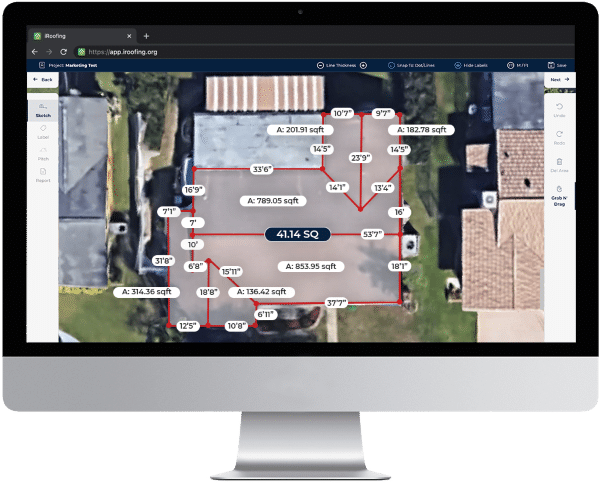
Roof Measurements are one of the first processes worth standardizing. Driving to every property only to climb a roof and take measurements consumes time as lead volume grows.
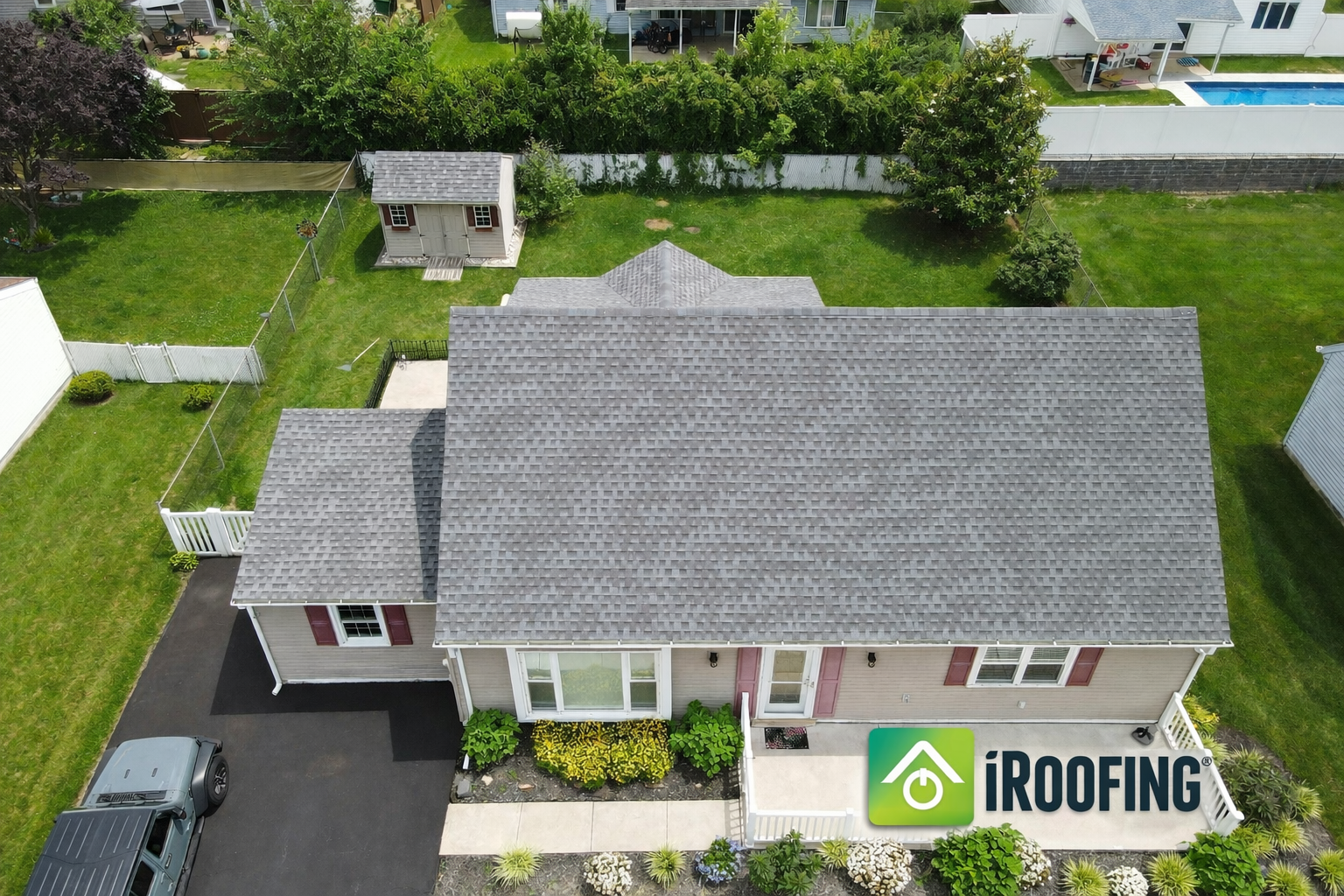
Digital tools can measure from satellite, HD aerial, drone, or blueprint imagery. iRoofing’s Roof Measurements tools let contractors trace the structure, determine pitch, and generate a Roof Measurement Report that can be shared or used to create an estimate.
A consistent process also gives every salesperson or estimator the same starting point, whether the project uses 3-tab shingles, architectural shingles, metal, tile, or another roofing system.

Move Faster From Measurement to Proposal
Once measurements are complete, estimating can become the next bottleneck. Re-entering data or calculating every material manually adds time and creates more opportunities for mistakes.
A Roofing Estimator can connect measurement data with material quantities, waste, labor, and company pricing. iRoofing’s Instant Roofing Estimator lets contractors move from a completed measurement into an estimate and proposal within the same workflow.
Shortening the time between inspection and proposal also helps salespeople follow up while the project is still fresh for the homeowner.
Build a Repeatable Roofing Sales Process
A strong salesperson can win jobs, but a scalable roofing sales process cannot depend on one person remembering every follow-up.
Create clear stages for leads, inspections, measurements, estimates, proposals, follow-ups, contracts, and sold projects. Define what must happen before each opportunity moves forward and who owns the next step.
Project management tools keep those stages visible. Customer details, appointments, estimates, project files, and follow-up tasks should be easy for the team to find instead of scattered across phones, notebooks, or messages.
Use Roofing Software to Handle More Jobs
As volume increases, disconnected tools create administrative work. Customer information may live in one system, Roof Measurements in another, estimates in a spreadsheet, and project documents somewhere else.
Roofing business software can reduce that fragmentation. With iRoofing, teams can standardize measurements, estimates, proposals, customer information, documents, photos, and project details within one workflow. Its project management tools help organize customer information, job sites, schedules, files, and project updates.
The purpose is not simply to replace paper. A connected system makes the company less dependent on individual employees remembering where information lives or what needs to happen next.

Win More Jobs With
The Best Roofing Software.
Protect Cash Flow While You Grow
Growth costs money before it produces money. More jobs can mean larger payroll, material deposits, vehicles, marketing expenses, insurance, and software costs before customers make final payments.
That makes roofing cash flow management essential. Track accounts receivable and payable, payroll, committed material expenses, and available cash.
The U.S. Small Business Administration notes that even profitable businesses can struggle when cash is not managed properly and recommends cash-flow projections to identify potential shortages.
You can learn more about this on the SBA guidance on cash flow management.
Do not judge growth only by revenue. A larger backlog does not help if you lack the working capital to complete it.
Track the KPIs That Tell You if Growth Is Profitable
As your company grows, roofing business KPIs show whether additional leads and jobs are actually improving the business.
Track a focused set of numbers: leads generated, cost per lead, close rate, average job value, gross margin, production time, accounts receivable, and cash available.
Look at how they move together. If lead volume rises while close rate falls, sales may be overloaded. If revenue rises while gross margin drops, pricing or job costs may need attention.
KPIs should help you identify problems early and make better decisions, not simply create more reports.
Key Takeaways for Scaling a Roofing Company
- Scaling means handling more profitable work without losing control of quality or margins.
- Build predictable roofing lead generation before adding overhead.
- Standardize Roof Measurements, estimates, proposals, and follow-ups.
- Use a Roofing CRM to keep leads, customers, and tasks organized.
- Roofing business software can reduce duplicated work as the team grows.
- Protect cash flow and track KPIs to confirm growth is profitable.
How to Scale a Roofing Business FAQ
When is a roofing business ready to scale?
A company is better positioned to scale when it has consistent demand, profitable jobs, repeatable processes, and enough cash flow to support more volume.
How can roofing companies generate more leads while scaling?
Use multiple roofing lead generation channels, including local SEO, Google Business Profile, referrals, partnerships, past customers, and paid advertising. Track which sources produce profitable jobs.
What roofing software helps a business scale?
Look for roofing business software that connects measurements, estimates, proposals, customer information, project files, tasks, and job status so the team can follow one repeatable workflow.
Why is a Roofing CRM important for growth?
A Roofing CRM helps teams track leads, appointments, follow-ups, customer information, and project status as more employees become involved in each job.
Which KPIs should a growing roofing company track?
Useful roofing business KPIs include lead volume, cost per lead, close rate, average job value, gross margin, production time, accounts receivable, and cash flow.